
Essential Tips for Keeping Your Houseplants Healthy and Thriving
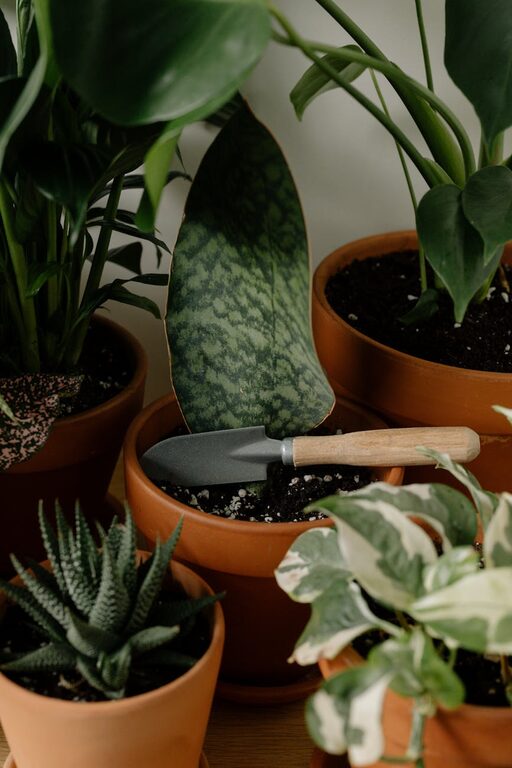
Bringing houseplants into your home adds a touch of nature, improves air quality, and enhances your living space’s overall mood. However, to enjoy these benefits fully, it’s important to understand how to keep your plants healthy and thriving. Whether you’re a first-time plant parent or have a green thumb, these tips will help you provide the best care possible for your indoor plants.
Understanding Your Houseplants’ Needs
Every houseplant is unique, but they do share some basic requirements such as light, water, and proper soil. Learning what each plant prefers is the key to successful care.
Know Your Plant Species
Before anything else, identify what type of houseplant you have. Some plants like succulents and cacti need bright light and infrequent watering, while others like ferns prefer indirect light and consistently moist soil. Read plant labels, visit reputable gardening websites, or ask experts at your local plant shop.
Light: The Most Important Factor
Plants use light for photosynthesis, which helps them grow and stay healthy.
– Assess light levels in your home: South-facing windows generally receive more light, ideal for sun-loving plants. North-facing spots offer low light, suitable for shade-tolerant plants.
– Rotate plants regularly: Turning your plants every week ensures all sides get equal light exposure.
– Supplement with grow lights: If your space lacks natural light, consider using LED grow lights to provide the necessary light spectrum.
Watering: Quality Over Quantity
Both underwatering and overwatering are common issues that can harm your plants.
Tips for Proper Watering:
– Check soil moisture: Before watering, insert your finger about an inch into the soil. If it feels dry, it’s time to water.
– Use room temperature water: Cold water can shock roots, while warm water encourages better absorption.
– Water thoroughly: Ensure water reaches the root zone but avoid letting pots sit in standing water to prevent root rot.
– Adjust frequency seasonally: Plants usually need less water during colder months when growth slows.
Soil and Fertilizing
Healthy soil provides essential nutrients and good drainage to support plant roots.
Choosing the Right Soil:
– Use potting mixes specifically designed for houseplants rather than garden soil.
– For succulents, a sandy, well-draining mix is best.
– Ferns and other moisture-loving plants benefit from richer, moisture-retentive soil.
Fertilizing Basics:
– Feed plants during the growing season (spring and summer).
– Use diluted, balanced liquid fertilizer every 4 to 6 weeks.
– Avoid fertilizing during dormancy periods (usually fall and winter), as plants’ nutrient needs decline.
Humidity and Temperature
Indoor environments can be quite dry, which may stress tropical plants.
Managing Humidity:
– Group plants together to create a microenvironment with higher humidity.
– Use a humidifier or place a shallow tray of water near plants.
– Mist leaves occasionally for plants that benefit from added moisture.
Temperature Tips:
– Keep plants away from cold drafts and heating vents.
– Most houseplants prefer temperatures between 65°F and 75°F (18°C to 24°C).
– Sudden temperature changes can cause leaf drop or slow growth.
Preventing and Managing Pests
Even indoor plants can occasionally attract pests like aphids, spider mites, or mealybugs.
Detecting Pests:
– Regularly inspect leaves and stems for tiny insects, sticky residue, or discolored spots.
– Yellowing leaves or stunted growth may indicate infestation.
Natural Pest Control:
– Wipe leaves with a damp cloth or dilute insecticidal soap.
– Introduce natural predators, like ladybugs, if appropriate and feasible.
– Isolate infested plants to prevent spreading.
Pruning and Repotting
Maintaining the shape and vigor of your plants involves occasional pruning and repotting.
Pruning Tips:
– Remove dead, yellowing, or damaged leaves to encourage new growth.
– Trim leggy stems to promote bushier growth.
– Use clean, sharp scissors or pruning shears to avoid harming the plant.
Repotting Guidance:
– Repot when plants outgrow their container or soil becomes compacted.
– Choose a pot one size larger with drainage holes.
– Refresh soil during repotting to replenish nutrients and improve aeration.
Creating a Consistent Routine
Houseplants thrive on stable care routines. Here’s a quick checklist to help:
– Weekly: Check soil moisture, rotate plants, inspect for pests.
– Monthly: Fertilize (during growing season), clean dusty leaves.
– Seasonally: Adjust watering frequency, move plants closer or farther from light sources, repot if needed.
Final Thoughts
Caring for houseplants is a rewarding experience that brings life and color to your home. By understanding their basic needs and following these practical tips, your plants will not only survive but flourish. Remember, each plant may have its own personality and preferences, so patience and observation are your best tools on this green journey.
Happy planting!